Quick answer
Black streaks on roof shingles in Central Arkansas are usually an algae called Gloeocapsa magma, not dirt or rot. It is mostly cosmetic and thrives on shaded, damp slopes. Clean it gently with a shingle-safe solution at low pressure, never a pressure washer, and add zinc or copper strips near the ridge to slow its return.
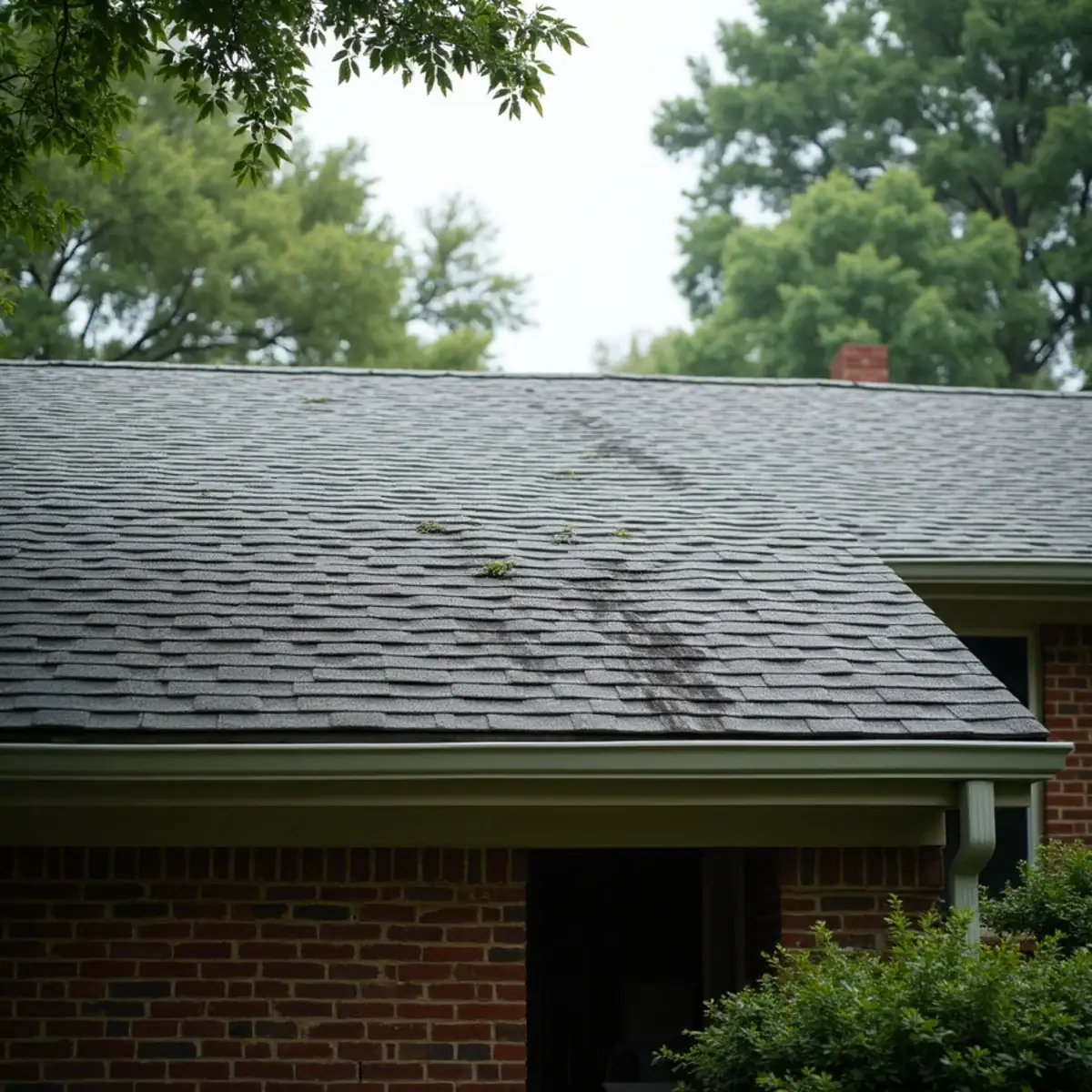
Those black streaks on roof shingles that run down from the ridge are almost always a blue-green algae called Gloeocapsa magma. It does not eat through a roof or cause leaks on its own, but it makes a roof look older than it is and keeps the surface damp longer after rain. The right response is gentle: a shingle-safe cleaning at low pressure, zinc or copper strips near the ridge, and a close look at whether the stains are covering something that does need repair.
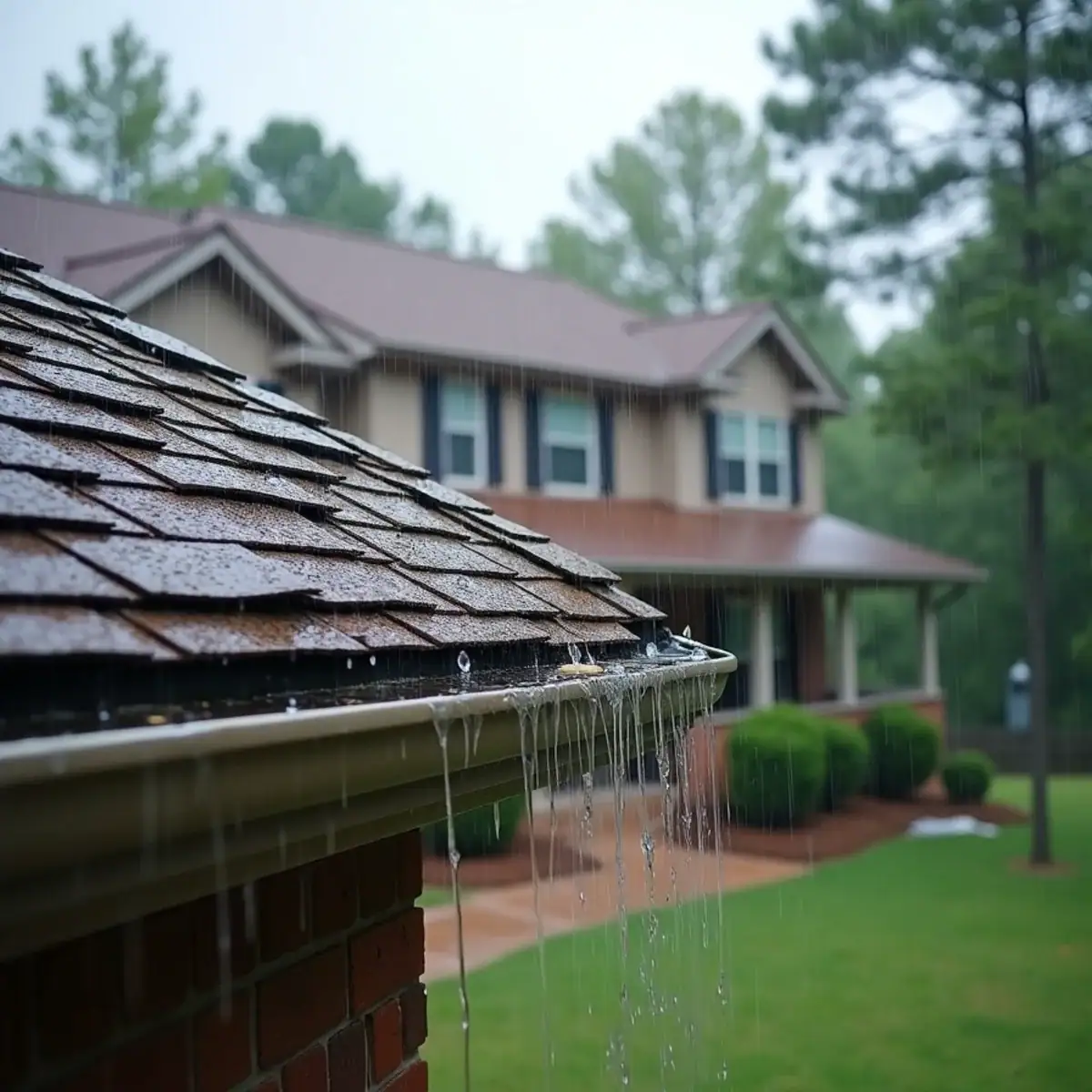
Central Arkansas gives this algae everything it likes. Summers are long and humid, the area gets about 50 inches of rain a year, and mature oaks and pines shade many roofs for most of the day. Calls about streaked roofs come from all over the region, and especially from wooded lots in Maumelle and older tree-lined streets in Benton.
What the black streaks actually are
Gloeocapsa magma spreads by tiny airborne cells carried on wind and by birds and squirrels moving from roof to roof. Once it settles on a damp shingle, it grows a dark outer coating that shields it from the sun. That coating is what you see. Rain carries the growth downhill, which is why the stains form long vertical streaks rather than spots.
The algae is commonly said to feed on the limestone filler used in many asphalt shingles, and it clearly does best where a roof stays wet. Streaks often start on one roof in a neighborhood and show up on the houses around it over the next few years.
| Growth | What it looks like | How much it matters |
|---|---|---|
| Algae | Flat black or dark gray streaks running downslope | Mostly cosmetic |
| Moss | Green, raised cushions, often at shingle edges | Holds water and can lift shingles |
| Lichen | Crusty gray-green or white spots that grip tightly | Can pull granules off when removed |
Is it algae, or a different dark mark?
Algae is the usual answer, but not the only one. The Asphalt Roofing Manufacturers Association notes that algae is often mistaken for soot, dirt or tree droppings, and the mix-up runs both ways. Where the mark starts usually settles it.
| What you see | Where it starts | What it likely is | What to do |
|---|---|---|---|
| Gray-black smudge, heaviest at a flue | Chimney or appliance vent | Soot | Have the flue checked; soot at a gas vent can mean poor burning |
| Brown, sometimes glossy streaks on a newer roof | Sunny slopes, after hot spells | Asphalt bleed | Cleaning will not fix it; have a roofer photograph it |
| Smooth dark patches with no granules | Tab edges, valleys, below downspouts | Granule loss | Check gutters for granules; have the shingles looked at |
| Reddish-brown streak | Below flashing, a vent cap or a nail | Rust | Replace the rusting part |
| Brown blotches with ragged edges | Where leaves or needles sat | Tannin stains | Clear the debris; most fade |
Two clues point to algae: the streaks start high and run straight down, and they often stop in a clean stripe below chimney flashing or a galvanized vent, where rain picks up a trace of zinc from the metal. A patch that stays dark long after the roof dries, especially above a ceiling stain, calls for roof leak repair, not a cleaning.
Why shaded slopes in Maumelle and Benton streak first
Look at a streaked house and the pattern is usually obvious. The north-facing slope and any side under trees get the most growth, because they dry slowest after rain and dew. Sunny south and west slopes on the same roof may stay clean.
Maumelle was built through wooded greenbelts, and many homes back up to pines and hardwoods that shade the rear slopes most of the day. Those back slopes streak early and often carry needles and moss too. Our page on roof leak and shingle repair in Maumelle covers the other problems that come with those lots.
In Benton, the older homes around the courthouse square sit under big shade trees, and the 1990s to 2010s subdivisions around them often have rear slopes facing wooded lots. Both show the same streaking on the shaded side. More about roofs in that area is on our page for roof leak repair in Benton.
How to clean roof algae without harming the shingles
The single biggest mistake is a pressure washer. High pressure blasts off the protective granules along with the algae, can force water up under the shingle laps and leaves the roof lighter in stripes where the wand passed. The damage shows up later as faster wear and early curling.
- Use a cleaning solution made for asphalt shingles, or one the shingle maker or roofing industry guidance recommends, mixed as directed.
- Soak nearby plants and grass with plain water first, and cover delicate shrubs. Many cleaners will burn foliage.
- Apply with a garden sprayer, let it sit for the time on the label, then rinse with a garden hose at normal pressure.
- Do not scrub. Brushing loosens granules the same way pressure does.
- Expect the stains to fade over days or weeks as rain rinses the dead growth away, not to vanish in one afternoon.
Bleach, oxygen bleach and timing
- The industry's standard mix is household bleach and water, mixed to the shingle maker's directions, left on 15 to 20 minutes and rinsed gently. Use other chemicals only with the shingle maker's approval.
- Chlorine bleach burns plants and corrodes metal. After the roof, rinse the gutters, downspouts and flashing, and soak the plants again.
- Oxygen bleach cleaners are easier on plants and metal but often work more slowly.
- Pick a cool, overcast morning. On a hot Arkansas afternoon the solution dries before it can work and leaves a residue that is hard to rinse.
Stay off a wet, treated roof
Cleaning solutions make shingles slick, and a damp roof is already dangerous. Work from a ladder at the eave if you can reach, or have a roofer with fall protection do it. Never climb a steep or two-story roof to clean it.
Zinc and copper strips: slowing the algae's return
Cleaning removes the growth, but in this climate it will come back. Zinc or copper strips installed just below the ridge slow that down. Each time it rains, a little metal washes off the strip and down the slope, and the algae does not grow well where that runoff reaches.
A roofer usually tucks the strip under the course of shingles below the ridge cap, leaving only a narrow edge exposed, and seals the fasteners. The strips protect the area directly below them best and work less well far down a long slope. They prevent new growth more than they clear old stains, so they pair with a cleaning.
Adding strips to a roof that is already on
The Asphalt Roofing Manufacturers Association does not recommend adding strips to an existing roof: it takes either exposed nails that can leak later or breaking the shingle seal, which can let wind lift the tabs. If you still want strips, ask the roofer how the fasteners will be covered and the shingles resealed.
When damaged shingles get replaced, many newer shingles come with algae-resistant granules that contain copper. That helps the new pieces, though a fresh shingle can still stand out next to a stained or faded roof. Our guide to replacing a few shingles and matching an older roof explains what to expect.
How long does a roof cleaning last in humid Central Arkansas?
Not as long as most people hope. Industry guidance calls bleach cleaning temporary: it kills what is on the roof, not the cells that keep drifting in. On a shaded Central Arkansas slope, a faint gray haze commonly returns within a few years. How fast depends on:
- Shade and slope direction. North-facing and tree-covered slopes dry slowest and streak first.
- Shingle color. Algae shows most on light gray, tan and white shingles.
- Copper in the granules. Algae-resistant shingles carry copper-coated granules that release a little copper with each rain, which is why a few replacement shingles can stay clean for years while the older ones around them streak again.
Does the staining make the house hotter? Research on aging roofs at Lawrence Berkeley National Laboratory found that microbial growth in hot, humid climates can lower how much sunlight roofing reflects, which matters most on light-colored roofs. A dark shingle already absorbs most of the sun, so cleaning it is about looks, not the power bill.
Between cleanings, anything that lets a slope dry helps. Our shingle roof maintenance checklist covers that routine.
When the streaks are hiding real damage
Algae alone rarely needs a roofer. The reason to have one look is that heavy streaking makes it hard to see the problems that do cause leaks.
- Bare patches mistaken for stains. Dark areas can be spots where granules have worn away, exposing the black asphalt underneath.
- Moss lifting shingle edges. Moss mixed in with algae holds water and pries tabs up, letting wind-driven rain get underneath.
- Cracked or curled shingles on the damp slope. Shaded slopes that stay wet age differently, and damage blends into the streaks.
- Stained flashing. Streaks running past a chimney, wall or vent can hide rusted or loose flashing at the same spot.
Damaged shingles are handled with missing and damaged shingle repair, and problems at chimneys, walls and vents with roof flashing and chimney leak repair.
What a roofer checks before anyone cleans the roof
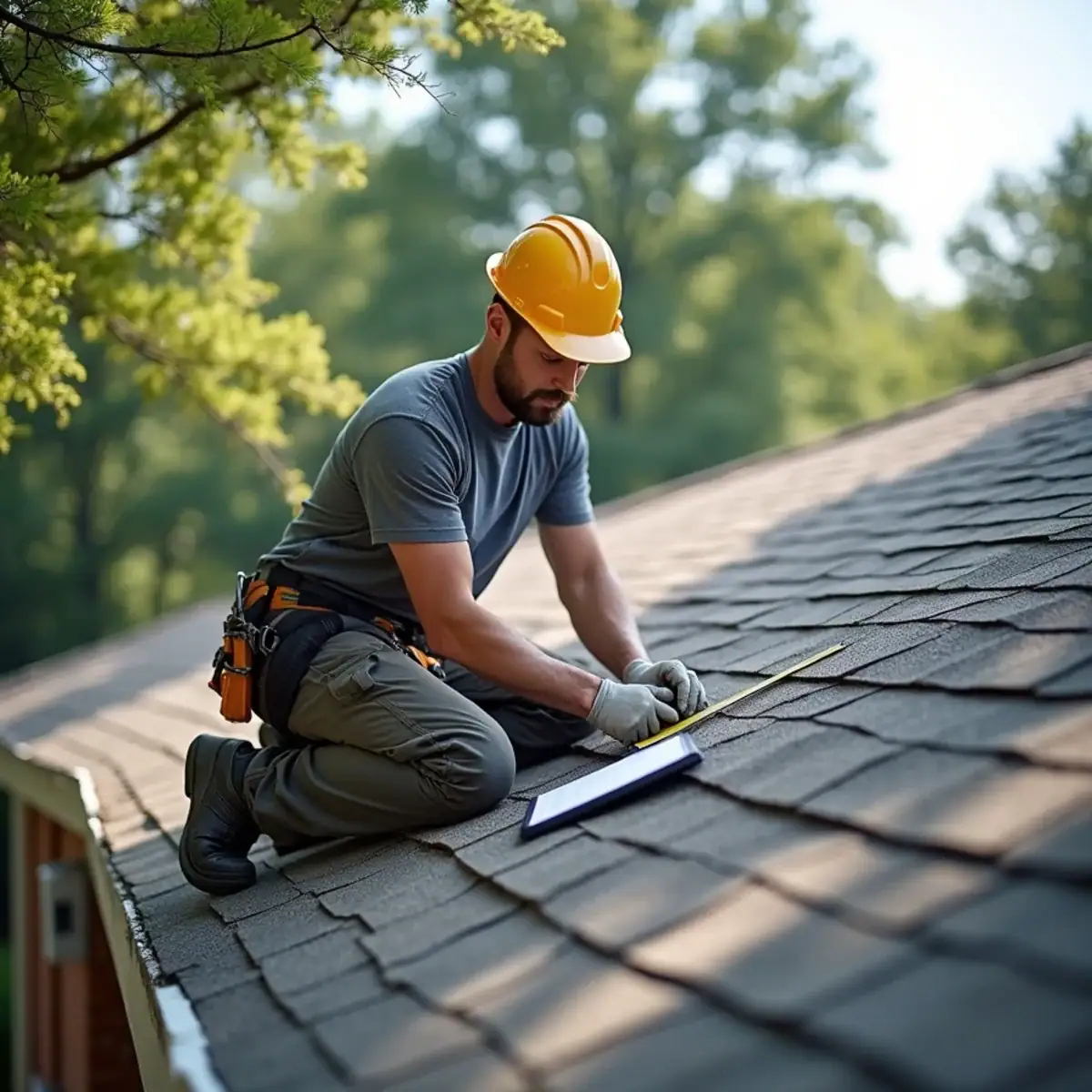
A good look comes before the cleaning, not after, because a cleaning can loosen a shingle that was already barely holding. The roofer starts in the gutters: a heavy layer of granules under the streaked slope suggests the shingles are wearing, not just stained.
On the roof, the roofer watches where a streak changes course. A clean vertical streak that suddenly bends or stops often marks a lifted shingle or a nail pop the water is running around. On the shaded slope, the roofer gently checks whether tab edges are still sealed down and looks under any moss for cracked or curled pieces. Around chimneys and walls, the flashing gets a hands-on check, since streaking can make rust look like dirt.
The last advice is about light. Trimming back limbs that shade the roof lets the slope dry faster after rain, and that does more to slow algae than any cleaner.
Quick answers
Do black streaks on shingles cause roof leaks?
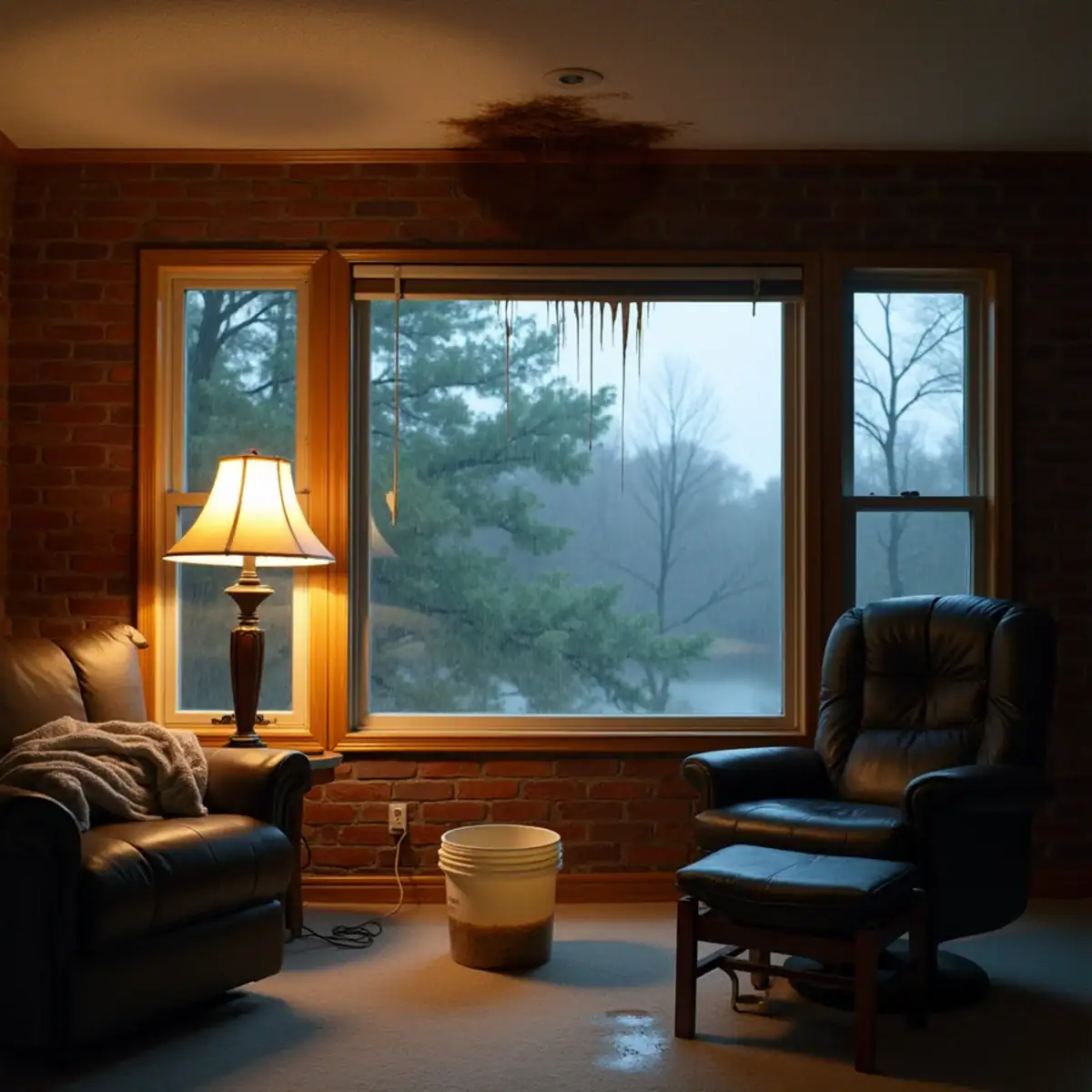
No, the algae itself does not cause leaks. It sits on the surface of the shingle and is mostly a cosmetic problem. Leaks come from what the streaks can hide, such as missing granules, cracked or lifted shingles, moss pushing up tab edges, or rusted flashing. If you see streaks along with a ceiling stain, have a roofer check the roof before you clean it.
Can I pressure wash algae off my roof?
No, pressure washing does more harm than the algae. The spray strips off the protective granules, can drive water up under the shingle laps and often leaves visible stripes. A low-pressure application of a shingle-safe cleaning solution, rinsed with a garden hose, removes the growth without wearing down the shingles. Let rain finish the job over the following days or weeks.
How long do zinc or copper strips take to work?
They work slowly. The metal washes down the roof a little with each rain, so the effect builds over many months rather than days. On a clean roof they slow new growth; on a streaked roof they help most after a gentle cleaning. Protection is strongest directly below the strip and fades farther down a long slope, so very long slopes may still show some growth.
Will the streaks come back after cleaning?
Yes, usually, if nothing changes. The algae is carried by wind and animals, and humid Arkansas summers give it ideal conditions, so a cleaned roof often streaks again within a few years. Zinc or copper strips near the ridge and trimming branches to let more sun reach the shaded slopes both slow its return. Algae-resistant shingles help on any pieces that get replaced.
Clean gently, then check what is underneath
Black streaks are usually a looks problem, not a leak problem, so there is no need to rush or reach for a pressure washer. If the streaks come with granules in the gutters, lifted tabs, moss or a ceiling stain, have the roof checked before cleaning. Every roofer we send is licensed and insured in Arkansas, and the roofer gives a written estimate before any repair starts. Call Little Rock Shingle Roofers at (773) 207-0769; we answer 24/7.