Quick answer
The main signs of rotted roof decking are dips or waves in the shingle rows, a sagging ridge, a soft or springy feel underfoot, and dark, stained or crumbling wood seen from the attic. Rot follows a slow leak or a damp attic, not a single rain. Stay off any soft area and have a roofer probe the wood.
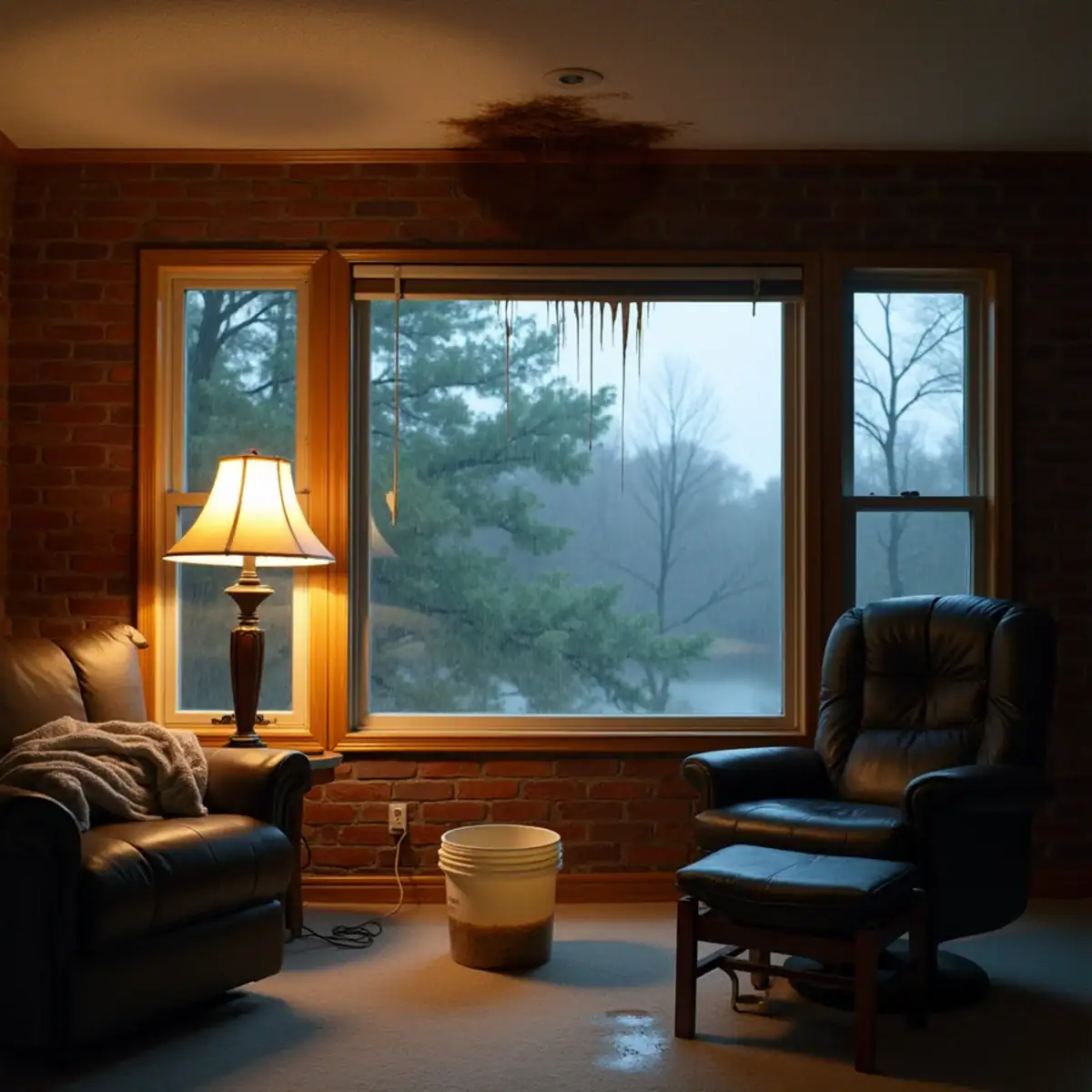
The clearest signs of rotted roof decking are a dip or wave in the shingles you can see from the yard, a soft or springy feel when someone walks the roof, and dark, stained or crumbling wood when you look up from the attic. Rot is almost never sudden. It follows a slow leak or a damp attic that has been working on the wood for months or years.
Central Arkansas is hard on roof wood. About 50 inches of rain a year finds every cracked boot and loose flashing, and long, humid summers keep attics damp. The median Little Rock house was built in 1978, and older neighborhoods go back much further. In Benton, the older core around the courthouse square has many mid-century homes that have lived with small leaks for years, which is exactly where rotted decking turns up.
Signs you can see from the yard
Stand back from the house early in the morning or late in the afternoon, when low sun throws shadows across the roof. Then sight down the ridge and along the shingle rows. Look for:
- Dips between rafters: shingle rows that wave up and down in a regular pattern instead of running straight.
- A sagging ridge: a ridge line that dips in the middle instead of running level.
- Shingles that will not lie flat in one area, even though the rest of the roof looks fine.
- Rotted fascia boards or drip edge pulling away at the eaves, often below an overflowing gutter.
- Dark, damp patches or moss on one section that stays wet after the rest of the roof dries.
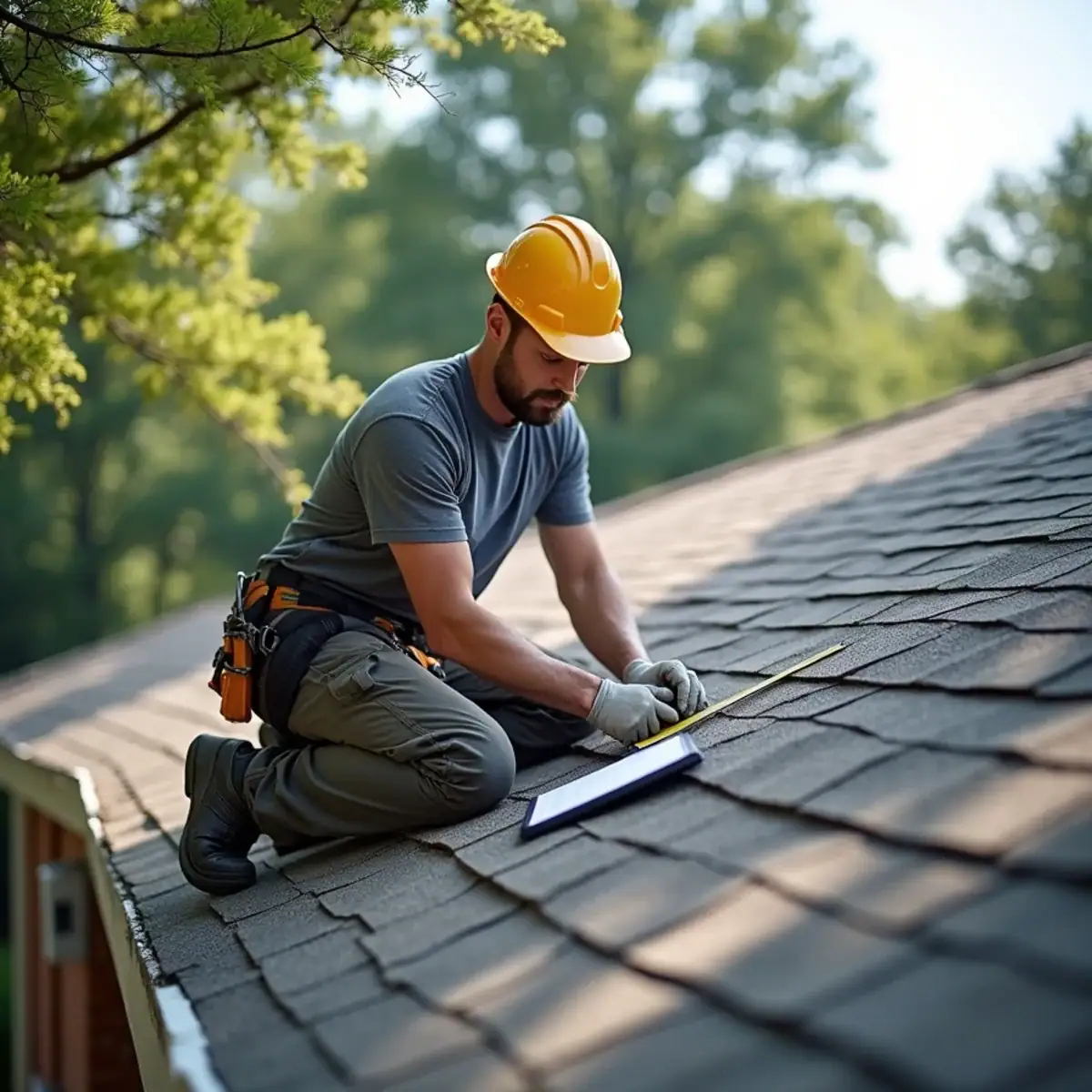
Binoculars help. Do not climb up to check; a soft section can give way under a person's weight.
Signs inside the attic
The attic tells you more than the yard. Take a strong flashlight, step only on the joists, and look at the underside of the roof deck, especially around chimneys, vent pipes, valleys and along the eaves.
- Dark brown or black stains on the decking, often with a water trail below them
- Wood that dents or crumbles when you press it with a screwdriver
- Plywood with layers peeling apart, or OSB that has swollen and gone fuzzy at the edges
- Rusty nail tips poking through, ringed with darker wood
- A musty smell, mildew on the wood, or flattened, stained insulation below
- Daylight showing through where there should be solid wood
Make the attic trip count
Take a flashlight, a screwdriver and your phone, and go up in the cool of the morning. Photograph each dark area with the screwdriver beside it for scale. A stain that is still damp the day after a heavy rain is an active leak, not an old one.
A stain alone does not mean the wood has rotted. Old, dry stains can be sound wood that got wet once. Softness is what matters. If you are also seeing marks on the ceilings below, our guide to reading a water stain on the ceiling helps you tell a roof leak from other sources.
Why can rot hide under shingles that look fine?
Shingles are a thin skin over the wood, and from the street they show almost nothing about what is under them. A roof can have straight rows and no missing tabs while one patch of decking has been soft for a year. Rot shows outside only once the wood starts to dip between rafters. Three things keep it hidden:
- Water travels before it soaks in. A drip that gets past a cracked boot or a flashing gap can run along the underlayment and settle into wood several feet downhill.
- Insulation catches the drips. It holds the water against the wood and keeps the ceiling below clean, so nothing looks wrong inside.
- Attic moisture works from underneath. A bath fan venting into the attic, or too little soffit intake, wets the underside of the deck while the roof surface stays unchanged.
Wood rots only when it stays wet. The USDA Forest Products Laboratory puts the line at about 20 percent moisture content: decay fungi do not grow in wood kept drier than that. A board soaked once that dries out is usually fine. One that sits damp for weeks, under soggy insulation or in a humid attic, is where rot starts. That is why the attic check above tells you more than the shingles do.
What causes decking to rot in Central Arkansas
Slow leaks nobody noticed
The most common cause is a small leak that never reached the ceiling. A cracked pipe boot, a gap in the chimney flashing or a nail that backed out lets in a little water every rain, the insulation soaks it up, and the deck stays wet for days at a time. Fixing that kind of leak early with a proper roof leak repair is the simplest way to save the wood.
A humid attic with nowhere to vent
Arkansas summers push hot, wet air into the attic. If the soffit vents are blocked by insulation or paint, or there is little ventilation at the ridge, that moisture lingers. Bath fans and dryer vents that empty into the attic make it worse. Over the years the underside of the deck darkens, softens and starts to rot, often evenly across a whole slope.
Overflowing gutters at the eaves
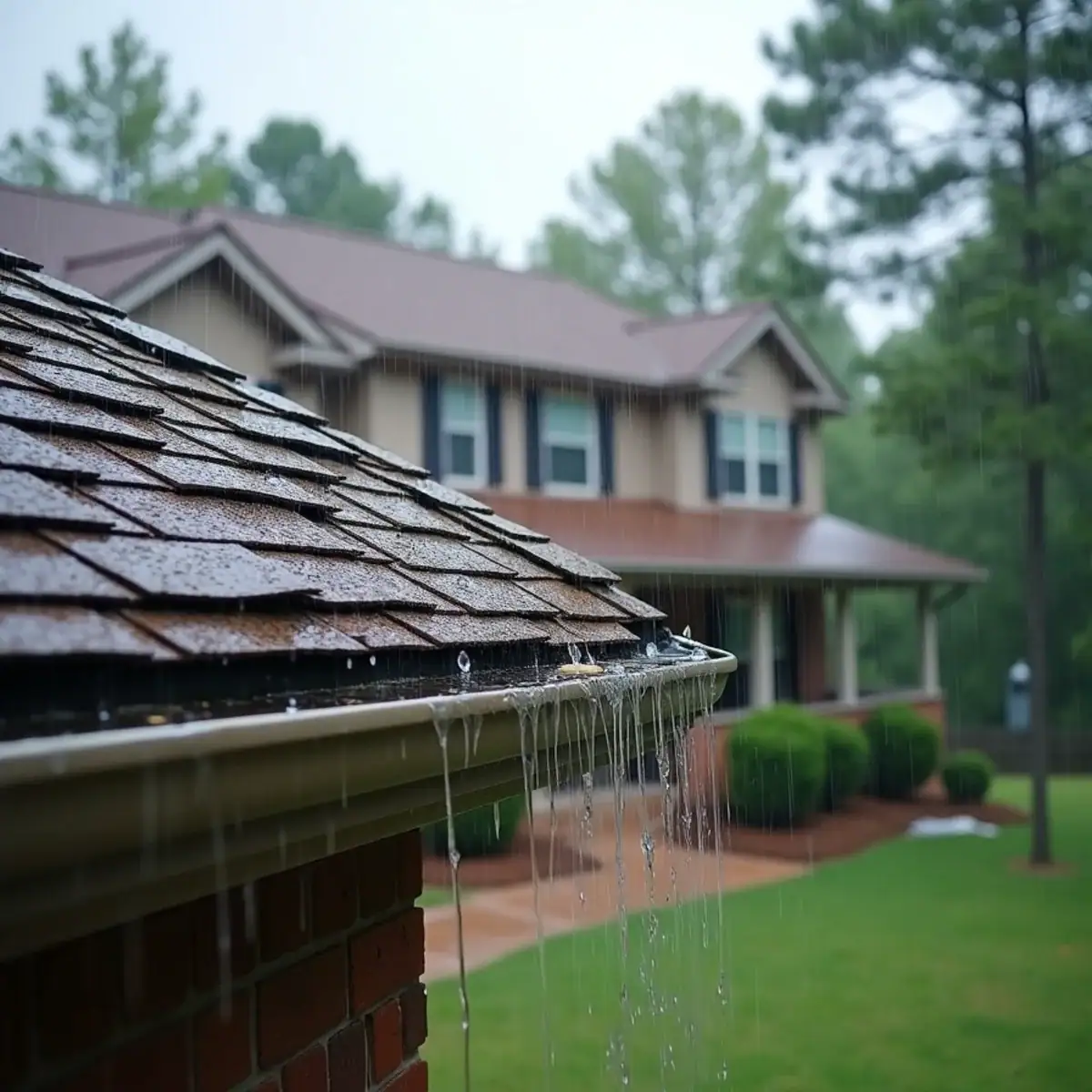
Under oaks and pines, gutters clog fast. Water backs up over the edge of the roof, soaks the bottom row of decking and the fascia board, and rots them from the outside in. A missing drip edge speeds this up.
Plank decking or plywood: why house age matters
What sits under your shingles depends a lot on when the house was built, and it changes how rot looks and how it is repaired.
| Decking type | Often found on | How rot shows up |
|---|---|---|
| Board or plank decking (1x6 or 1x8 boards) | Pre-war and many mid-century homes | Individual boards soften or split; gaps between boards |
| Plywood sheathing | Many homes from the 1960s on | Layers peel apart and sag between rafters |
| OSB sheathing | Most homes from the 1990s on | Edges swell and crumble; panels lose strength when wet repeatedly |
These are general patterns, and many older roofs have been patched with a mix of materials. Benton shows the range well: plank decking turns up on older homes near the courthouse square, while the 1990s to 2010s subdivisions further out are mostly OSB. The roofers we send in Benton see both, sometimes on the same street.
What happens if rotted decking is left alone?
Rotted decking does not settle down on its own. While the moisture behind it keeps coming, the soft area grows, usually in this order:
- Nails lose their grip. Shingle nails hold by friction in solid wood. In soft decking they back out, lift the shingle above them and leave a fresh hole for the next rain.
- Shingles loosen and come off. The seal strips end up doing all the holding, and a gusty spring storm can peel pieces off that section. The bare spot can be fixed with missing shingle repair, but only once the wood under it is sound.
- Water reaches the rooms. Once the deck and insulation are saturated, the stain shows on the ceiling and wet drywall joins the job.
- Rot moves into the framing. Rafters that sit against wet decking long enough soften too. Sheathing is routine roof work; rafter repair is carpentry and a bigger job.
- The roof becomes unsafe to walk. A soft section can break under anyone who steps up to clear a valley, including the roofer who comes later.
None of this happens in one season, which is why rot is easy to put off. Catching it at the first step usually keeps the repair to a small section of new sheathing and shingles.
When a sag is the decking, and when it is the framing
Roofers read the shape of a sag before they open anything. Decking sag looks like a washboard: small, regular dips between each pair of rafters, often in one area. Framing sag looks different: a long, broad dip across many rafters, or a ridge that swaybacks in the middle. That points to the rafters themselves, which can be undersized on older homes, cracked, or overloaded by extra layers of shingles.
Decking is routine roof work. The roofer strips the shingles over the bad area, cuts the sheathing back to sound wood centered on the rafters, installs new sheathing of matching thickness, then lays underlayment and weaves in new shingles. A cracked rafter can often be reinforced from the attic, but a broad structural sag may need an engineer's opinion first, and a good roofer will say so plainly.
One practical tip: nobody knows exactly how far rot runs until the shingles come off. Ask the roofer to explain in the written estimate how any extra sheets or boards will be priced, so a bigger repair does not become a surprise. The roof decking repair page walks through the full process.
Quick answers
Is it safe to walk on a roof with a soft spot?
No, do not walk on it. Rotted decking can crack or give way under a person's weight, and the spot that feels soft is often larger underneath than it looks from above. Keep people and ladders off that area, and keep the rooms below clear if the ceiling is sagging. A roofer will stay on the rafters or use roof boards while checking it.
Can rotted decking be replaced in just one area?
Yes, in most cases. Rot from a single leak is usually limited to one section, and the roofer only removes the shingles over that area, cuts out the bad wood back to the rafters and installs new sheathing. The new shingles are woven into the old ones around it. If rot shows up across a whole slope, the conversation changes, and the roofer should explain why.
Does a sagging roof line always mean rotted decking?
No, not always. Small dips between rafters usually mean softened decking, but a long sag across the roof or a swaybacked ridge often points to the framing, such as undersized or cracked rafters. Some older homes have also settled a little over the decades. A roofer can usually tell which it is from the attic and say whether an engineer should take a look.
Can roof decking rot even if the roof has never leaked?
Yes. Rot needs wood that stays damp, and that moisture can come from inside the house. A bathroom or kitchen fan that blows into the attic, or soffit vents buried under insulation, lets humid air settle on the underside of the deck, especially through a long Arkansas summer. This kind of rot often shows as broad darkening across a slope rather than one wet spot. Fixing the airflow is part of the repair, or the new wood goes the same way.
Catch the rot while the repair is still small
Wavy shingle rows, a soft feel underfoot and dark, crumbling attic wood all point the same way. The earlier rotted decking is found, the smaller the section that has to come out, and the sooner the leak or damp attic behind it can be fixed. If you are seeing these signs, call Little Rock Shingle Roofers at (773) 207-0769. We answer 24/7 and send a licensed roofer to check the wood and give you a written estimate before any work starts.